


If you looked at Boston’s Route 128 corridor and the Bay Area’s Silicon Valley in the 1970s, you would have found two ecosystems each seemingly well positioned to drive the electronics industry’s innovative future. The actual path forward, however, could not have been starker. Between 1975 and 1990, Silicon Valley tripled the number of new jobs in the industry. In an even shorter period, between 1986 and 1990, the market value of these firms rose to $25 billion, while Boston grew by just over $1B over the same period.
The divergence in these paths is at the center of a 1994 book by UC Berkeley’s AnnaLee Saxenian, Regional Advantage. Saxenian argues that one core difference between these places is how much individuals in this system collaborate, change between firms, and share ideas. She writes:
A thriving regional economy depends not just on the initiative of individual entrepreneurs, but on an embedded network of social, technical, and commercial relationships between firms and external organizations.
Do you find this to be true where you live? I see it playing out every day in St. Louis, from AgTech and geospatial to the hospitality industry.
In the first episode of Season 4 of The Owner’s Box podcast, I got to talk to three of my favorite St. Louis chefs, each a James Beard winner for Best Chef: Midwest.
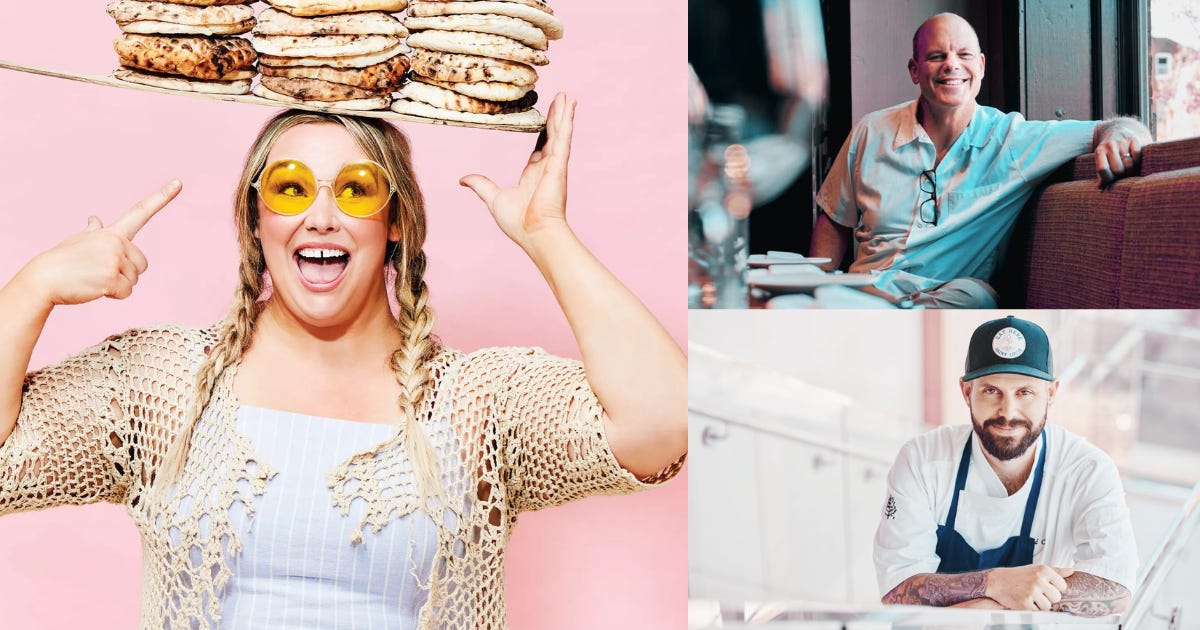
I first met Kevin Nashan almost two decades ago when I moved to St. Louis for grad school and negotiated the best deal of my life—swim lessons to support Kevin’s triathlon aspirations in exchange for eating at his incredible restaurant Sidney Street Cafe.
I met Gerard Craft a few years later, sitting at the bar with him and Kevin at his restaurant Niche, literally a stone’s throw up the street from Sidney. Gerard had just won Food and Wine Best New Chef of the year, and soon after would take home the city’s first Beard. Both restaurants sat on a quiet street within city limits, set far apart from the city’s natural density.
It is easy to imagine these two young chefs competing for a limited number of fine dining seats—a limited number of dollars. The reality, though, as you will hear in this episode, is that they were more cooperative than competitive alone—a style that has defined the industry in St. Louis, and shaped the experience of the most recent Beard winner of the three, Loryn Nalic.
Here is Loryn on seeing that dynamic in play with Kevin and Gerard when she was young and growing up in the industry:
I was behind the scenes at a lot of events that they would all do together. You would watch them in the room together. And yeah, it’s competition, but they’re friends. They’re pushing together to do great things and make the city look better. And it’s one common goal.
I always knew that I wanted to do something different or something for myself. I didn’t know what that was and it changed often. But I knew that as I watched them all push each other to the front and raise each other up and support one another, I knew that somehow some way that they would do that for me too. And they all did and all have and continue to.
Academics who study this call it coopetition—a mix of cooperation and competition— and I think it is a big part of what makes any given ecosystem dynamic. But it is fragile and needs to be both built and cultivated. You can see it in Silicon Valley in the 1990s, and you see it in St. Louis culinary space today. It can even take place inside organizations. If you care about making places more than the sum of their parts, learning how to foster coopetition might be one of the most valuable skill sets you can build as a leader.
Take a listen, and let us know your thoughts!